This internal italian route links three of the countries most visited cities and works smoothly over four to six days. High-speed trains make the jumps quick, so you spend more time in each place than on platforms. Most people start in Rome, move up to Florence for the middle stretch, and finish in Venice where the water replaces the streets.
Rome usually takes two full days if you want the main historic core without rushing. The central stations connect easily to the rest of the city. From there the fast trains to Florence run often and the ride lasts about one and a half hours. You arrive in the afternoon with enough light left for a first walk around the river or the main squares. Platforms are clearly marked and the trains themselves are comfortable for the short hop.
Florence sits nicely in the middle. One or two days cover the central area, the bridges and a few of the hill views. The station is close to the action so you can walk most places or take a short bus if needed. From Florence the next leg to Venice takes roughly two hours on the high-speed services. Trains leave throughout the day and the schedule is reliable enough that you can plan around meals or slower mornings.
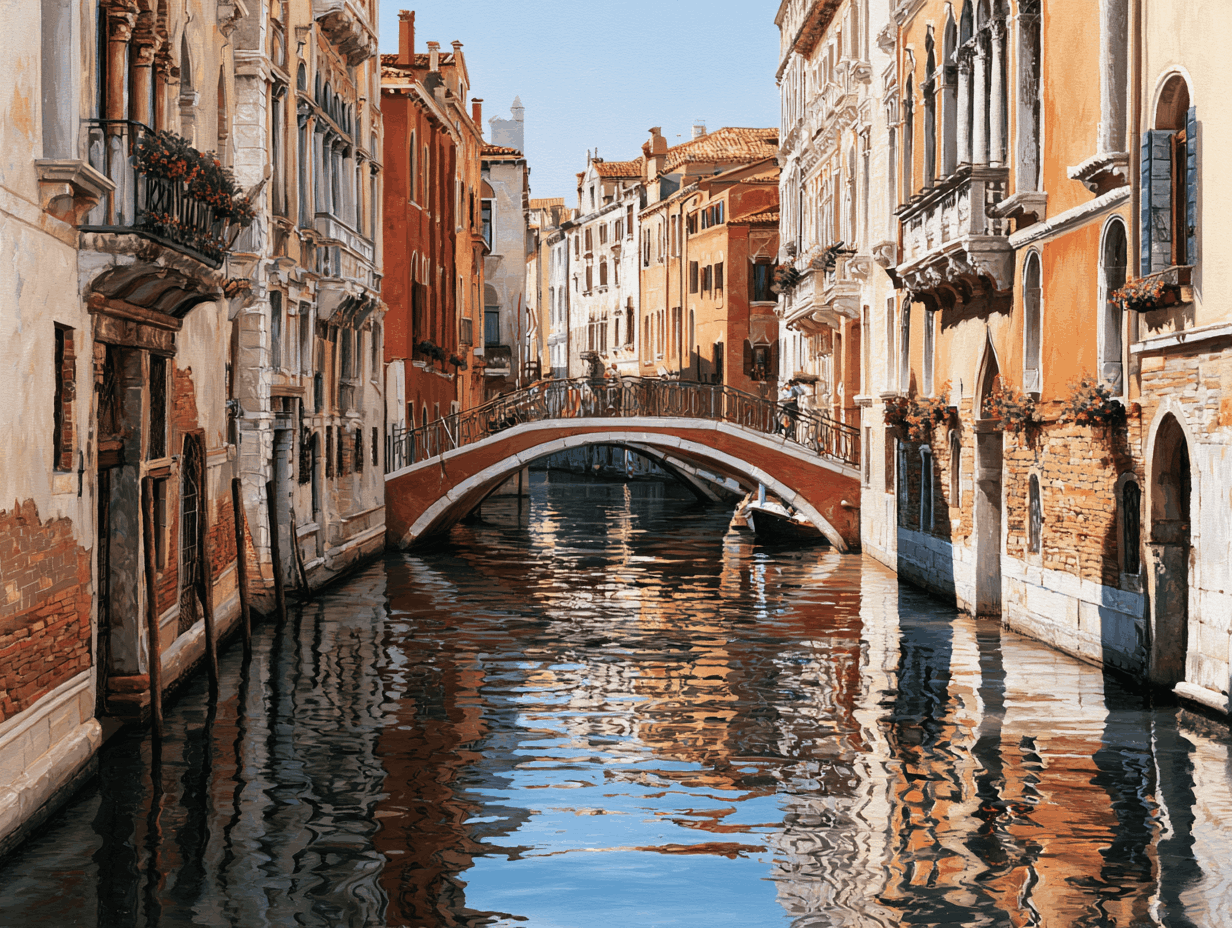
Venice feels different right from the arrival. The station opens onto the water and the rest of the movement happens by foot or water bus. Two days give a solid sense of the main islands and the quieter side canals without packing every hour. Luggage can be a bit more awkward here because of the bridges, so travelling lighter helps.
Combining the three cities is straightforward once you lock in the train times. A common rhythm is two nights in Rome, two in Florence and two in Venice, though you can shorten or stretch any stop. Early morning trains leave more of the day free at the next destination. Tickets are easier to sort at the bigger stations where staff can help with platform numbers.
A few practical points keep things calm. Peak holiday periods fill the popular departures fast so booking ahead is smart. The trains have space for bags near the entrances or above the seats. Weather can shift between the inland cities and the lagoon, especially in spring and autumn. Food near every major station is easy to find and ranges from quick stands to sit-down spots.
Overall the line flows naturally from the capital through the central hills and out to the water. It works in reverse too, but starting in Rome often feels more balanced because the first train is short and you ease into the rhythm before the final watery stretch.
A growing directory of travel lines that connect cities,
countries and airports with practical detail.
© 2026 DotNetLines LLC. All rights reserved.
